The most important part of any construction project is ensuring that a structure is anchored to its foundation. Engineers and contractors use heavy-duty anchoring systems to ensure that structures stay stable in the face of wind, gravity and earthquakes. Choosing the right part keeps the structure from failing and provides long-term safety. Many people in the industry use the words “anchor rod” and “anchor bolt” interchangeably. Though their function is similar, their designs, load capacities and ways of being installed are very different. To meet building codes and project specifications it’s important to know these differences.
What Is an Anchor Rod?
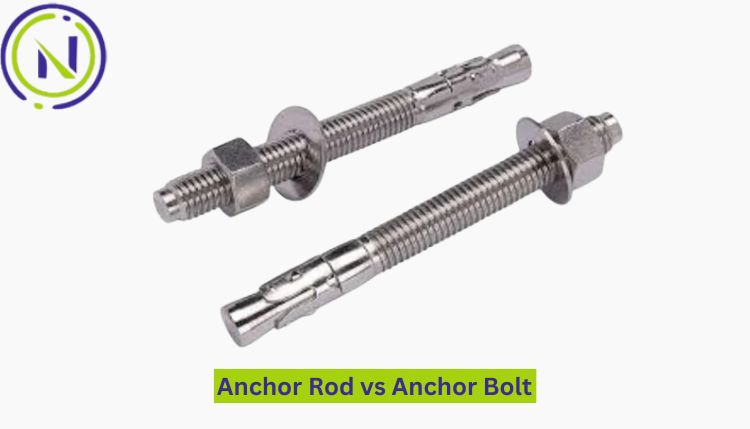
An anchor rod is a straight, often fully threaded fastener used to connect structural elements to concrete. Unlike regular bolts these rods usually have threads on both ends or all the way down the shank. They work by using thread friction and attached hardware like nuts or plates to move tension and shear loads into the concrete. Most anchor rods are made of high-strength carbon steel or stainless steel. They often have hot-dip galvanised coatings to prevent rusting in outdoor or industrial settings. You will typically find them in heavy structural steel frames and large foundation mats.
What Is an Anchor Bolt?
An anchor bolt is a type of fastener that is made to be cast directly into wet concrete. These bolts have unique shapes, like a “bent” L-shape or J-shape, that make them fit together in the cured slab. This physical hook prevents the bolt from pulling out under extreme tension. They are available in various finishes like plain, zinc-plated or galvanised steel. Anchor bolts are the standard choice for securing sill plates in residential builds or light-duty poles in masonry and concrete structures.
Anchor Rod vs Anchor Bolt – Key Differences
While both secure objects to concrete, their physical characteristics and performance metrics set them apart.
Design and Shape: Anchor rods are typically straight, threaded cylinders. Anchor bolts usually feature a distinct bend, such as an L-shape or J-shape, or a forged head at the bottom.
Load Distribution: Anchor rods rely on nuts, washers, or anchor plates at the embedded end to distribute load. Anchor bolts use their bent geometry or head to create a mechanical wedge within the concrete.
Installation Flexibility: Anchor rods are more flexible as they can be cut to the right length or used in holes filled with epoxy. Anchor bolts are fixed-length parts that are put in place before the concrete is poured.
Adjustment After Installation: After installation you can change the height of the anchor rods by moving the top nut along the threads. Once the concrete hardens around the bend, anchor bolts can only be adjusted a little bit.
Replacement and Maintenance: If an anchor rod breaks, you can often drill it out and use a chemical adhesive system to put it back in place. A cast-in anchor bolt is nearly impossible to replace without chipping away the concrete.
Looking for high-quality Anchor Bolts? Contact Neelkamal Alloys LLP today for the best prices and bulk orders!
Choosing the right rod depends on the specific tension requirements of your project.
Straight Anchor Rods: These bars are simple and don’t have any threads or only have some threads. These are often used for chemical anchoring, where an epoxy resin sticks the smooth or rough surface of the rod to the concrete wall.
Threaded Anchor Rods with Nuts and Washers: This is the most common variety used in steel construction. A heavy hex nut and a thick plate washer are attached to the bottom to provide a large bearing surface for load transfer.
Custom-Fabricated Anchor Rods: These are made for certain high-stress situations. To meet the needs of heavy industrial machinery or bridge supports, they may have unique diameters, extra-long lengths, or special heat-treating.
Types of Anchor Bolts
Anchor bolts come in several configurations to match different pull-out resistance needs.
L-Shaped Anchor Bolts: These feature a 90-degree bend at the bottom. This hook provides a simple but effective mechanical grip that resists being pulled straight out of the cured concrete.
J-Shaped Anchor Bolts: Similar to the L-bolt, the J-bolt has a more pronounced curve. This shape helps it hook around rebar or structural mesh within the foundation for added stability.
U-Bolts Used for Anchoring: They look like the letter “U” and have threads on both ends. They are often used to hold pipes or round poles to a flat concrete base or support beam.
Headed Anchor Bolts: Instead of a bend, these bolts have a forged heavy hex or square head. The head acts as a built-in stopper that provides excellent pull-out resistance in high-strength concrete.
Installation Process for Anchor Rods
Proper installation ensures the rod can handle its rated load without slipping.
Placement Before Concrete Pouring: These rods are often attached to a wooden or steel template. This keeps them erect, while the wet concrete is vibrated and levelled around them.
Alignment and Projection Height Control: It is vital to measure the “projection,” which is the amount of rod sticking out. This ensures there is enough thread to clear the base plate and the nut.
Use of Templates and Fixtures: Installers use rigid templates to ensure everything is precise. These frames hold several rods in a specific pattern so that they fit through the holes in the steel columns.
Tightening and Load Transfer: Once the concrete reaches its full strength, the base plate is set. The top nuts are then tightened to a specific torque to secure the structure.
Installation Process for Anchor Bolts
Anchor bolts require careful planning as their position is permanent once the concrete sets.
Cast-in Anchor Bolt Installation: You put these in while the concrete is still wet. To avoid getting in the way of internal steel reinforcement, workers need to ensure the “hook” is pointing the right way.
Post-Installed Anchor Bolt Methods: Sometimes bolts are added after the concrete cures. This involves drilling a hole and using mechanical expansion or chemical adhesives to lock the bolt in place.
Spacing and Edge Distance: Bolts need to be far enough away from the edge of the concrete. If they are too close together, the tension can make the concrete “spall” or break off.
Torque and Curing: Always wait until the concrete is strong enough to hold up before putting torque on it. Tightening too early can ruin the bond between the bolt and the material.
Load Capacity and Performance Considerations
Calculating load capacity involves more than just the strength of the steel. You must consider the tensile load, which pulls the rod upward, and the shear load, which pushes it sideways. The strength of the concrete itself is a major factor; higher-PSI concrete allows for better grip. The depth of the embedment is also very important. A rod that is deeper can hold more weight. Fasteners must be rated for vibration and seismic activity in places where earthquakes or heavy machinery are common to keep them from coming loose over time.
Common Mistakes to Avoid
Errors during installation can lead to costly repairs or structural instability.
Incorrect Embedment Depth: If the rod is too shallow, it will pull out under load. Always follow the engineer’s depth specifications.
Improper Grade: Using a low-carbon steel bolt when a high-strength alloy is required can be dangerous. Check the head markings to verify the grade.
Misalignment: A tilted bolt will not fit through the base plate. This often leads to workers “bending” the bolt back, which weakens the metal.
Washer Incompatibility: If you use thin, regular washers instead of heavy-duty plate washers, the nut may pull through the base plate.
Over-Tightening: Putting too much torque on the concrete before it has fully cured can break the bond inside. Always use a torque wrench that has been calibrated.
Applications of Anchor Rods and Anchor Bolts
These fasteners are used across various sectors to keep heavy objects in place.
Structural Steel Columns: Anchor rods are used to bolt the large steel frames of warehouses and skyscrapers to their concrete footings.
Bridges and Infrastructure: Heavy-duty bolts and rods hold the railings, light poles, and expansion joints of the bridge to the concrete deck.
Industrial Machinery Foundations: Huge factory machines need anchor rods to keep them from moving while they work and to dampen vibration.
Power Plants: High-quality fasteners are used at power generation sites to keep turbines and heavy equipment bases from moving under constant stress.
Standards and Specifications to Follow
Fasteners must meet strict quality standards to ensure reliability. Common standards include ASTM F1554, which covers anchor bolts intended for structural supports. International standards like DIN, ISO, and IS provide guidelines for thread pitch, material chemistry, and tensile strength. Always match the fastener grade, such as Grade 36, 55, or 105, with the specific load demands of your structural design.
How to Choose Between Anchor Rod and Anchor Bolt
The choice depends on the needs of your project and the conditions at the site.
Choose Anchor Rods: Choose anchor rods if you need to be able to change heights or use chemical bonding in high-load situations.
Choose Anchor Bolts: Choose anchor bolts for standard, permanent installations where the fastener can be cast right into the concrete.
Consider Site Conditions: If you are retrofitting an old building anchor rods with epoxy are usually the only option. For new builds, cast-in bolts are more cost-effective.
Why Choose Neelkamal Fasteners for Anchoring Solutions
Neelkamal Fasteners makes anchor rods and bolts that are of the highest quality and meet all international standards. We offer a wide range of sizes, grades and protective coatings that work in any setting. Our products are known for their high tensile strength and exact measurements. We proudly support big industrial and infrastructure projects with a reliable supply chain. Our team can also help you choose the right fastener for your project by providing technical support.